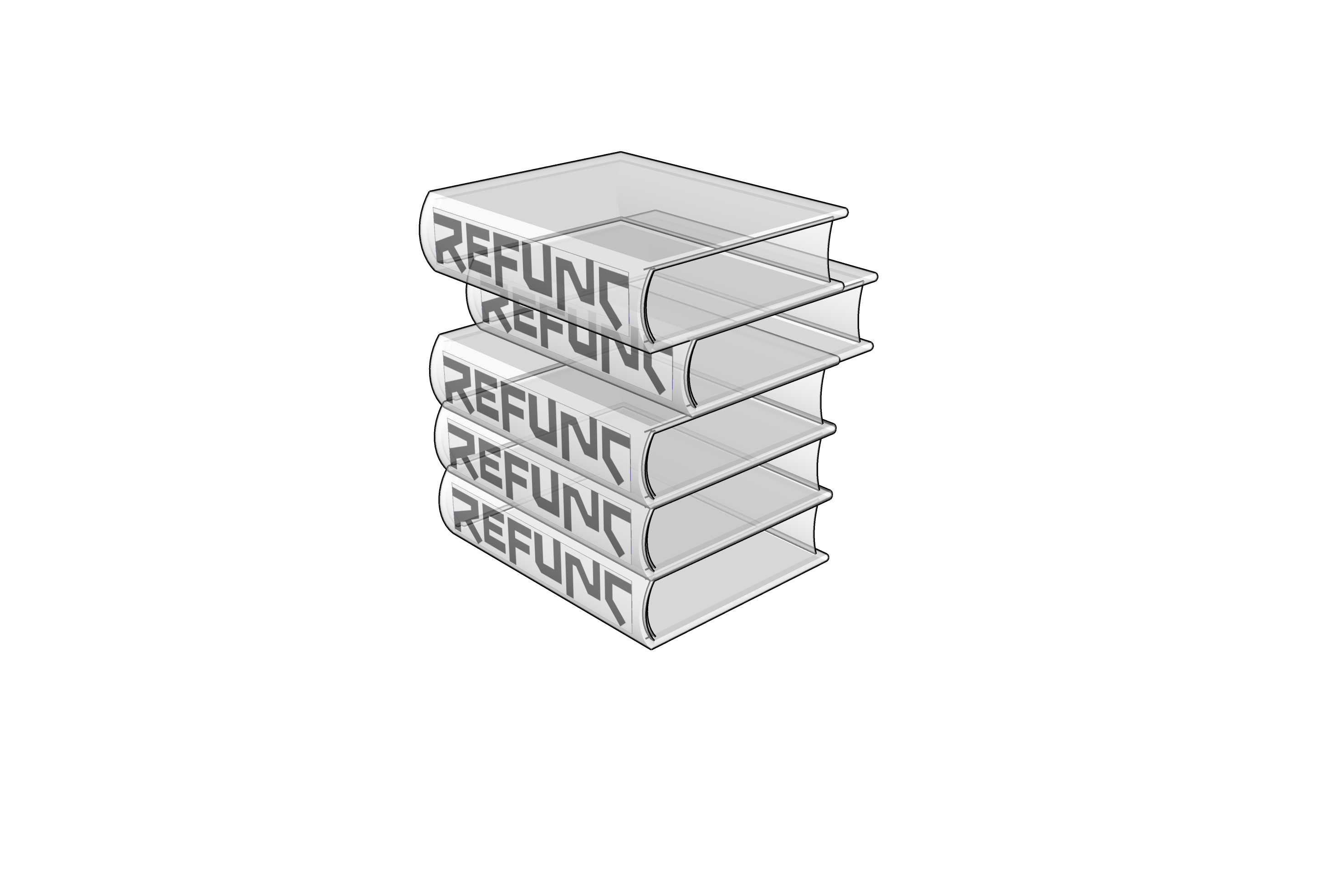
Resources flow through industrial cycles, accumulate in surplus, vanish from one context to appear in another. Refunc treats this material mobility as a design premise.
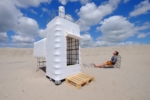
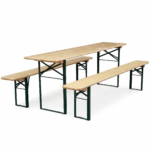
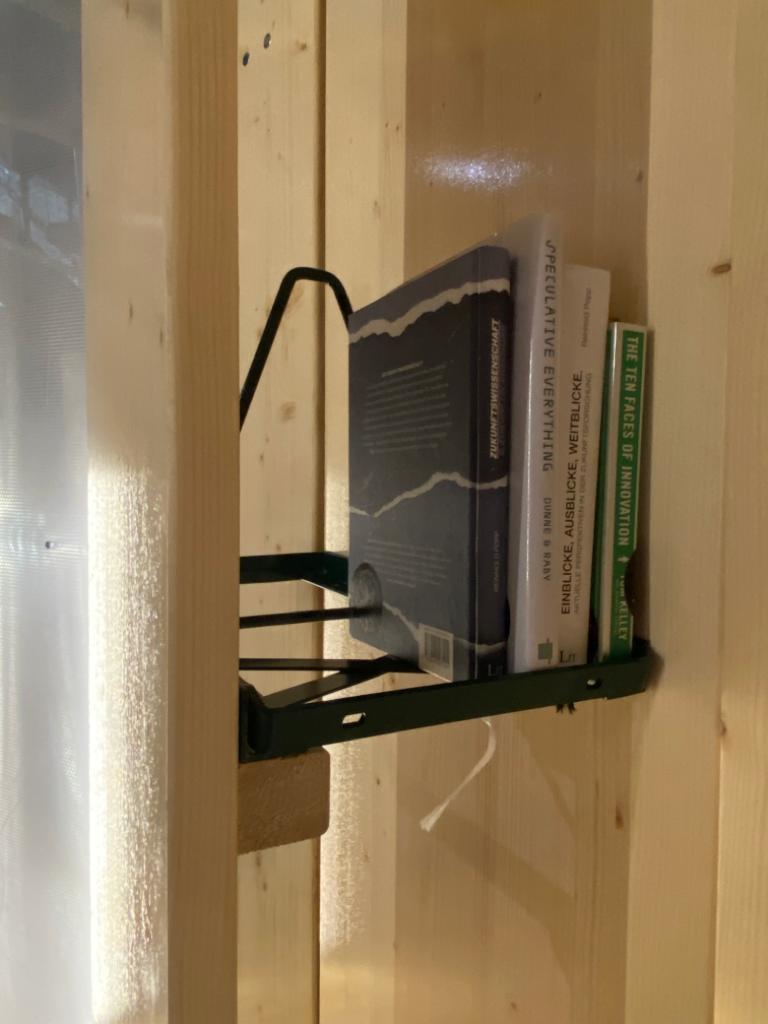
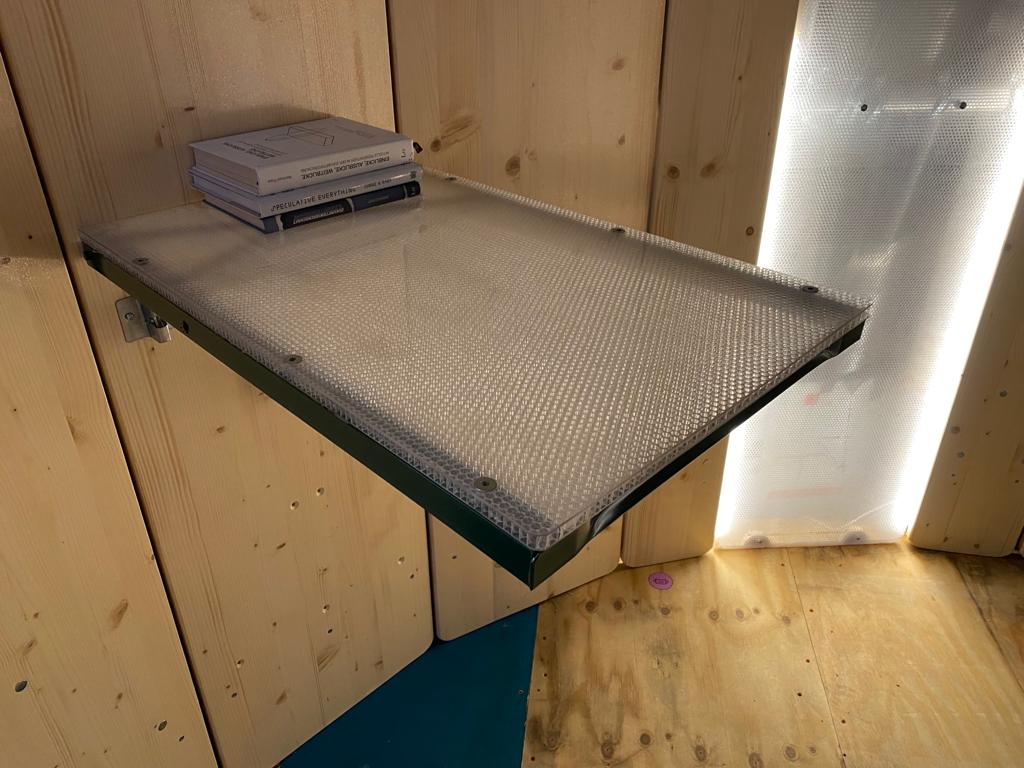
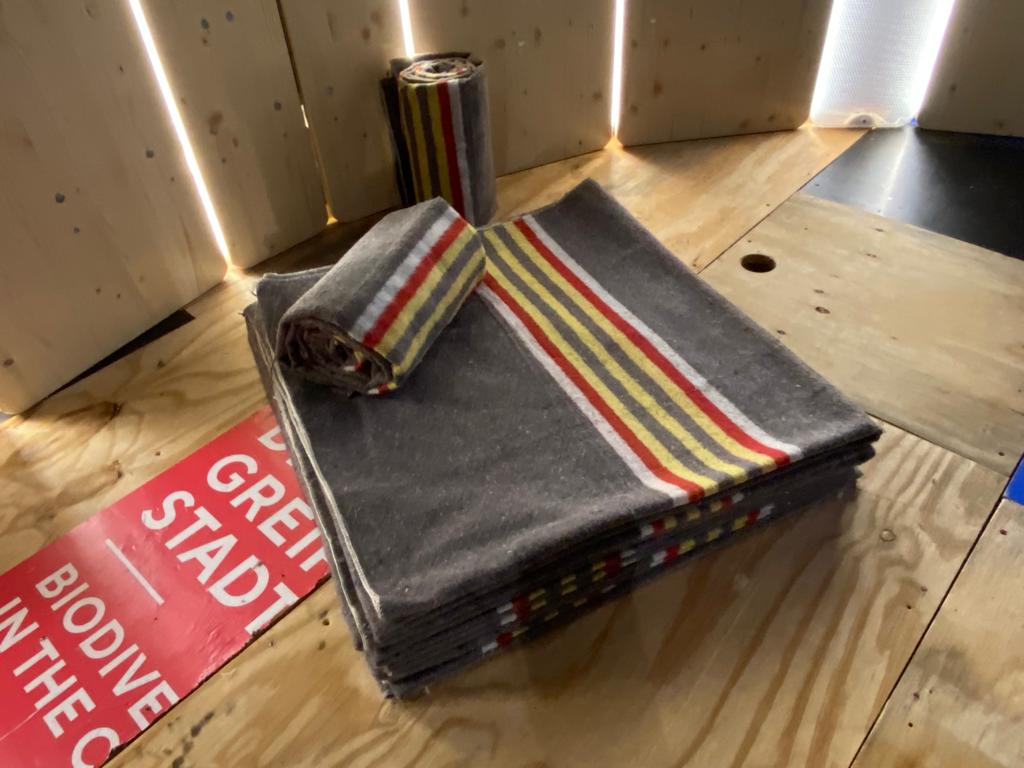
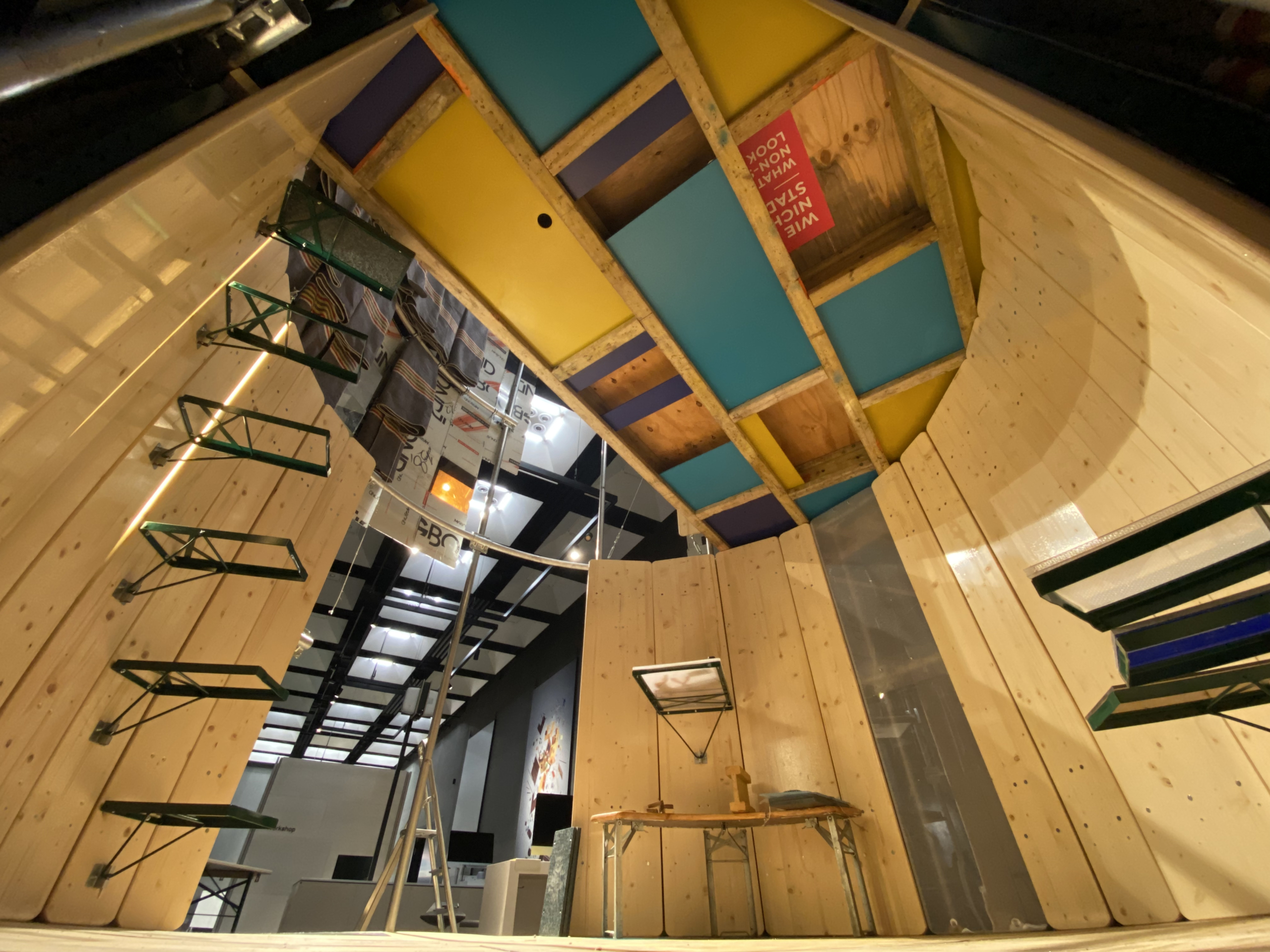
The Hybrid Catalogue House inverts the logic of nomadic dwelling. Each location offers its own material vocabulary, beer tables, clipboards, moving blankets, scrap wood. The building listens to what’s available and responds accordingly.
Functions shift. A beer table becomes interior wall. A clipboard becomes cladding element. A moving blanket provides insulation. The transformation happens through assembly, not processing, maintaining the material’s recognizable form while enabling new use.
The catalogue is a systematic approach to working with whatever the immediate context provides. Each iteration of the house is therefore both specific to its location.